
Kauaʻi.
Plan from the trailhead backward. Hāʻena entry, a day-hike turnaround and the overnight Kalalau permit are separate decisions.
Travel style
Overview
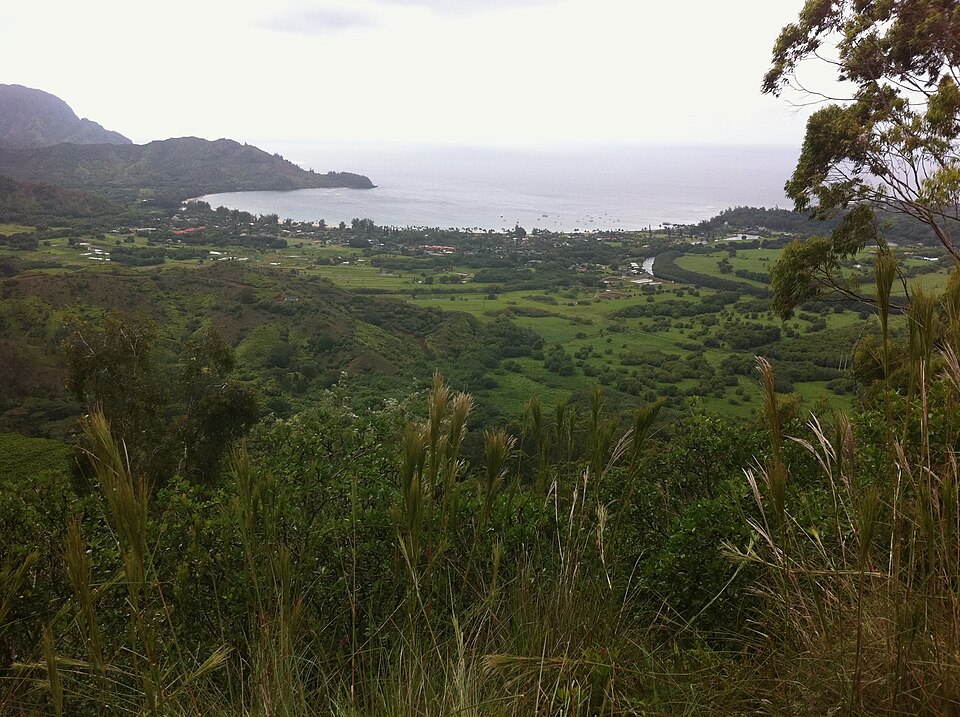
Kauaʻi’s north shore narrows toward the Nā Pali Coast. Hanalei’s taro fields and bay sit along that approach, but a day hiking from Kēʻē requires a different level of planning from a morning in town. Kapaʻa on the east side and Poʻipū on the south shore give you other bases for a shorter coastal day.
Build the trip around road, weather and park access. Three full days let you separate a north-shore outing from the south-shore spa or an evening in Hanalei. Read the Kalalau route and safety chapters before choosing a trail turnaround.
Shortlist
Kalalau Trail from Kēʻē
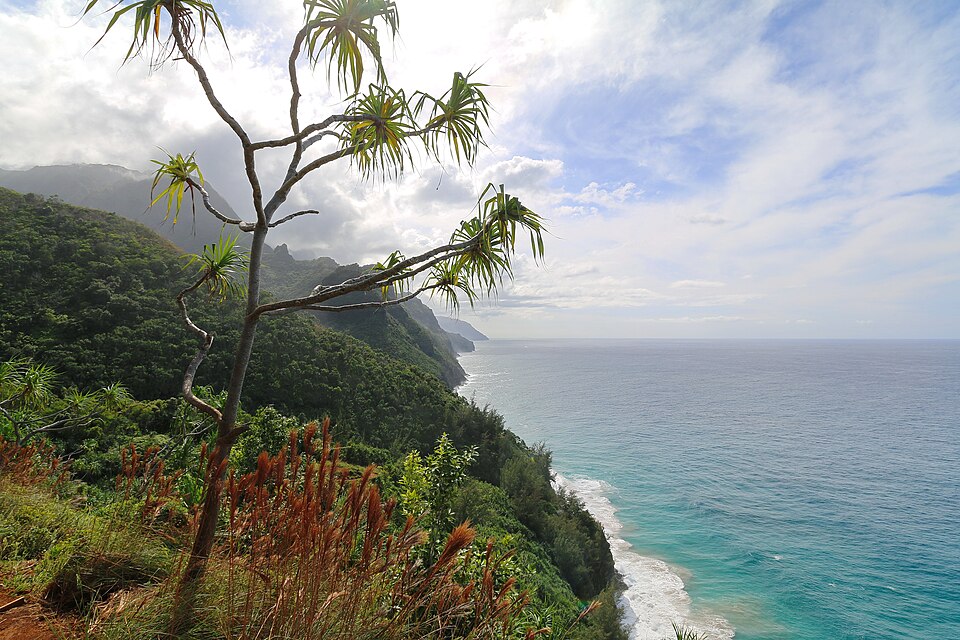
The Kalalau Trail begins at Kēʻē on the Nāpali Coast. Choose your turnaround after checking the park’s current access, trail conditions and permit requirements.
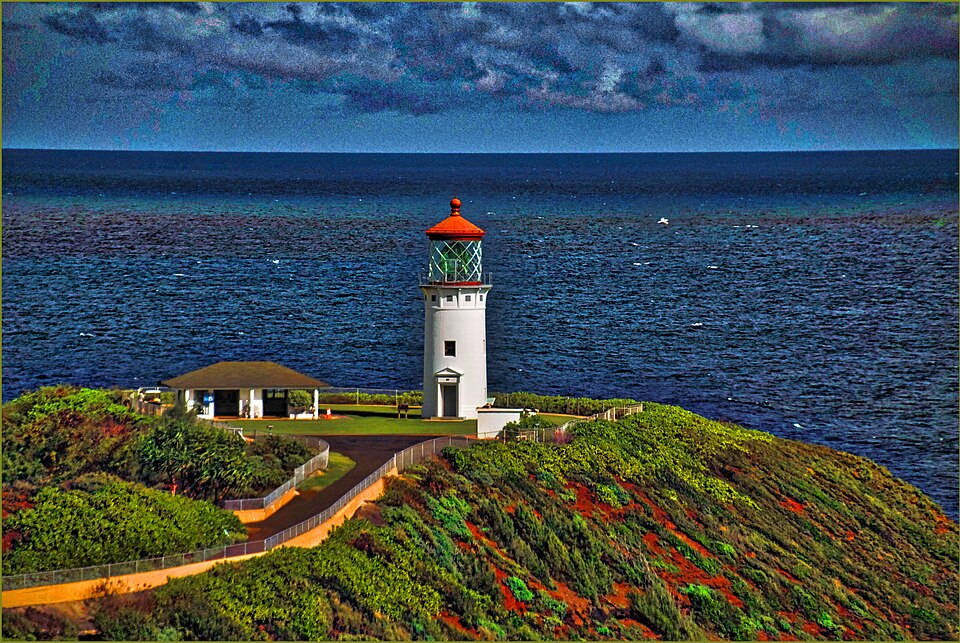
Kīlauea Point National Wildlife Refuge
Kīlauea Point protects seabird habitat on a north-shore headland. Check the refuge’s visiting schedule and plan time to watch from the designated viewpoints.
Hanalei Taro & Juice Co.
Hanalei Taro & Juice Co. brings the route back to the cultivated valley. Ask what is available that day before ordering lunch.
Three excellent days
Day 1
Along the Coconut Coast
Kapaʻa → Wailua → Līhuʻe
The east shore works from Kapaʻa as a base. Follow the coastal path or choose the river and gardens at Wailua, with a short drive to Līhuʻe for island history or a performance.
- Morning
Walk or cycle a manageable section of the coastal path.
Expand +Collapse − morning suggestions
Kapaʻa coastal path
Follow the paved Ke Ala Hele Makālae out of town toward the north. Pick a turnaround that leaves time for lunch and share the path with cyclists.
Lydgate Beach Park
Walk the public picnic area near the Wailua River mouth. Check lifeguard advice even around the protected swimming ponds.
ʻŌpaekaʻa Falls overlook
Use the signed roadside lookout for the waterfall view across the valley. Remain at the overlook rather than seeking informal cliff paths.
- Afternoon
Spend the afternoon along the river or in the museum on a wet day.
Expand +Collapse − afternoon suggestions
Kauaʻi Museum
Visit the Līhuʻe museum for island history, Hawaiian craftsmanship and plantation-era stories. Check opening days before driving south.
Pono Market, Kapaʻa
Order a lunch plate with poke or lau lau from the preparations available that day. This is a daytime stop with a local following.
Wailua River State Park
Book a permitted operator if you want to go on the water. Choose a trip length that allows the return journey before dusk.
- Evening
Finish in Kapaʻa after a short ride back from Līhuʻe.
Expand +Collapse − evening suggestions
JO2 Natural Cuisine
Reserve the Kapaʻa restaurant for a fish dish and seasonal produce. Let the day’s catch guide a shared main.
Smith Family Garden Luau
Reserve the Wailua evening program and dinner on an actual performance date. Allow for the check-in before the show.
Kapaʻa town
Browse the shopfronts and dessert counters before closing time. The historic town center is a different experience from the seaside path.
Day 2
A reserved north-shore trail day
Hanalei → Hāʻena
Hanalei is the service town before the narrow north-shore road to Hāʻena. Trail access, safe stream conditions and the last shuttle matter more than fitting another stop around a hike.
- Morning
Use the Hāʻena entry and shuttle reservation appropriate to your trail plan.
Expand +Collapse − morning suggestions
Hanalei Bay
Watch the mountains from the public beach access at Black Pot or Waiʻoli. Check lifeguard conditions and keep clear of the shore break.
Waiʻoli Huiʻia Church
See the green mission church against the mountain backdrop from the public street. Services take precedence over visits.
Kalalau Trail from Kēʻē
Reserve Hāʻena entry and choose a turnaround on the permitted day-use route. Check the park’s current closure notice, rain and stream conditions before starting. Turn back if crossings are unsafe.
- Afternoon
After the trail, choose a real meal and a separate cultural stop.
Expand +Collapse − afternoon suggestions
Hanalei Taro & Juice Co.
Try poi or a taro-based dish from the family’s food truck. This is a good chance to taste kalo in more than one preparation.
Limahuli Garden & Preserve
Reserve a garden visit for the terraces, native plants and cultural landscape. This is a separate entry from Hāʻena State Park.
Hanalei National Wildlife Refuge Viewpoint
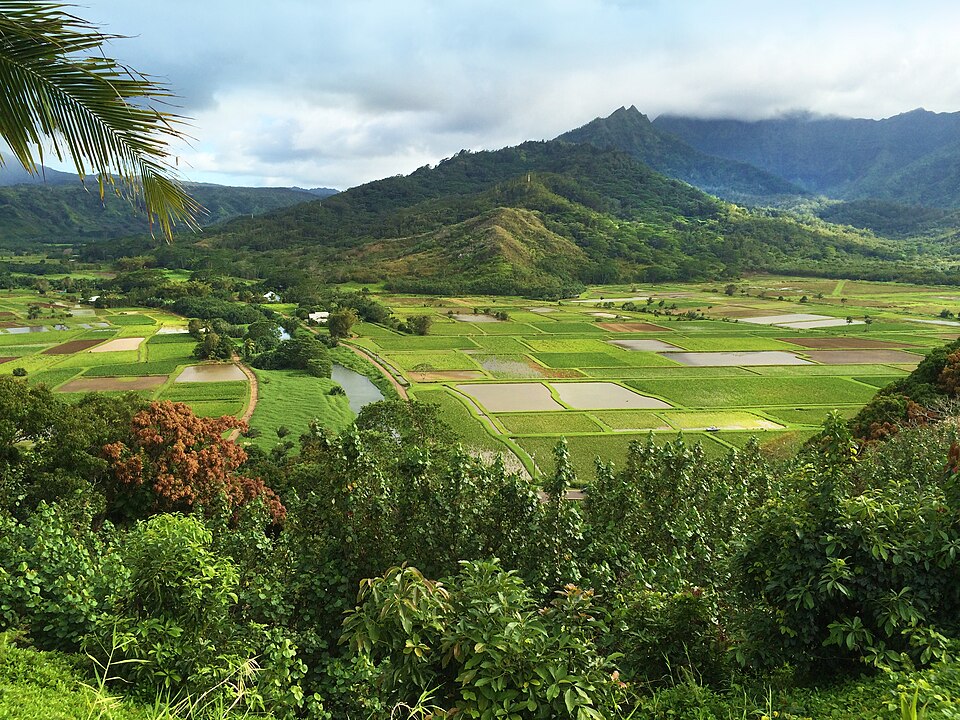
Use a designated public viewpoint for the taro fields and wetland. Keep out of farms and refuge areas closed to visitors.
- Evening
Return to Hanalei for supper while there is still daylight.
Expand +Collapse − evening suggestions
Bar Acuda
Reserve the Hanalei small-plates restaurant and share the local honeycomb with goat cheese when offered. Add fish or a vegetable dish from the current menu.
AMA Restaurant, Hanalei
Choose noodles at the Hanalei restaurant for a warm supper after the beach. The mountain-facing deck gives the meal a view even without going back to the water.
Wishing Well Shave Ice
Order shave ice from the Hanalei stand before it closes. Ask about the house fruit syrups, a welcome finish after a north-shore walk.
Day 3
From the lighthouse to the south shore
Kīlauea → Kōloa → Poʻipū
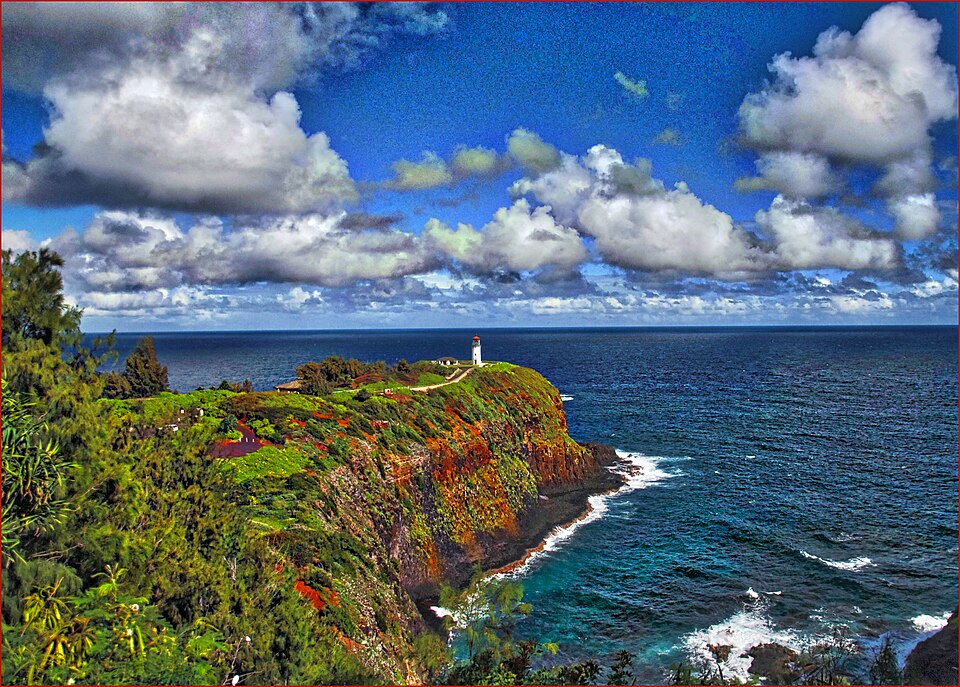
Kīlauea and Poʻipū are on different coasts. Reserve the refuge visit first, allow a substantial drive south and finish there instead of trying to cross the island twice around dinner.
- Morning
Book the lighthouse visit and choose one viewpoint.
Expand +Collapse − morning suggestions
Kīlauea Point National Wildlife Refuge
Bring binoculars for the seabirds around the headland. Stay on the visitor route and let the birds keep their distance.
Kong Lung Historic Market Center
Browse the shops in Kīlauea’s former plantation town center. The old stone buildings give the village a different history from the resort coast.
Anini Beach Park
If the refuge is closed, choose a short shore visit at the public park. Observe ocean advisories and avoid entering around strong outside currents.
- Afternoon
Explore the old town and a permitted coastal path.
Expand +Collapse − afternoon suggestions
Spouting Horn Park
Use the designated overlook near Poʻipū for the blowhole below. Stay behind the railings and give monk seals or turtles space if present.
Kōloa Heritage Trail
Choose one or two signed stops around old Kōloa town for the district’s sugar and plantation history. The whole trail is longer than a single walk.
Māhāʻulepū Heritage Trail
Take a short out-and-back on the signed coastal trail from Shipwreck Beach if conditions allow. Stay away from cliff edges and respect any landowner closures.
- Evening
Finish the walk with a meal and a beachside sunset.
Expand +Collapse − evening suggestions
Eating House 1849, Kōloa
Choose a fish dish or the restaurant’s interpretation of a plantation-era rice dish at the Kōloa branch. A seated dinner suits the end of the long island drive.
Grand Hyatt Kauaʻi Lūʻau
Book the resort’s published performance and dinner on its operating dates. Confirm access and check-in time for non-guests.
Poʻipū Beach Park
Watch sunset from the public park, keeping the recommended distance from turtles and seals hauled out on the sand. Follow the lifeguards’ ocean guidance.
What to book
Use the route and safety sections below before choosing a hike. Check access, stream and weather notices; opt for the east side when conditions turn.
Kalalau Trail from Kēʻē
The Kalalau Trail starts at Kēʻē in Hāʻena State Park. Check state entry rules and distinguish the Hanakāpīʻai day outing from a permitted trip beyond the valley. Let stream and trail conditions set the turnaround.
Kīlauea Point National Wildlife Refuge
Kīlauea Point is a national wildlife refuge on a different part of the north shore. Check visitor days and reservation arrangements before making the drive.
The full guide
Neighborhoods

Kapaʻa makes the east coast and airport convenient. Hanalei and the far north shorten the trip to Hāʻena but lengthen most other journeys. Poʻipū works well for a south-shore holiday and calls for a much earlier north-shore start.
Dining
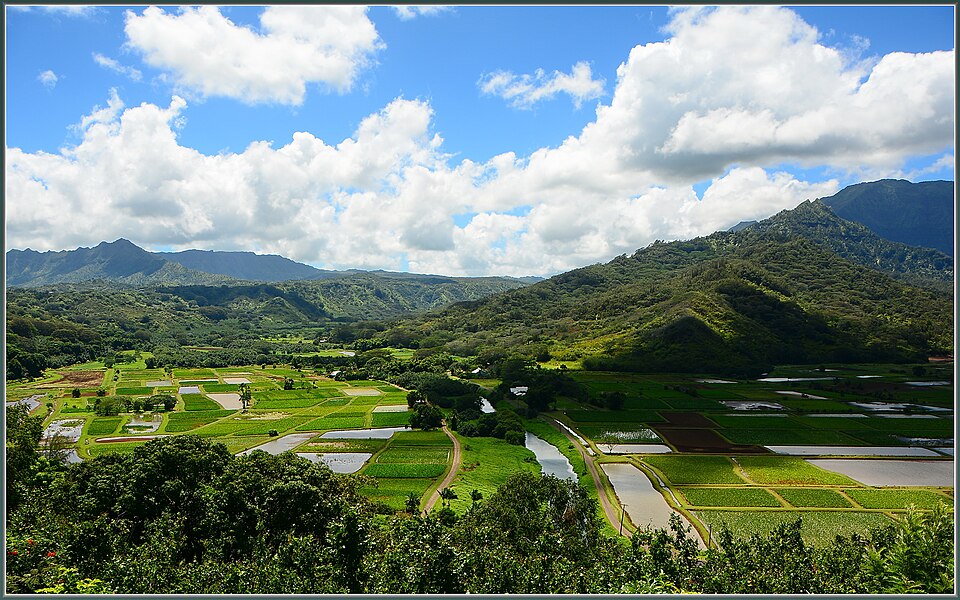
A taro plate in Hanalei, a fish-market lunch in Kapaʻa and dinner in Poʻipū each make sense on a different coast. The counters trade earlier than the evening restaurants, so put poke and lau lau on the lunch side of the route.
Hanalei Taro & Juice Co.
Hanalei
Try poi or a taro-based dish from the family’s food truck. This is a good chance to taste kalo in more than one preparation.
Zaddy TipNormally Thursday through Sunday until sellout. The operator updates for farming and road conditions. Ask about fish or meat in plate-lunch sides.
Hanalei Bread Company
Hanalei
Order coffee and a breakfast sandwich at the Hanalei bakery before heading west. The outdoor tables suit an early start.
Zaddy TipChoose the Hanalei town shop and allow time for the north-shore road.
Hanalei Dolphin
Hanalei
Order fish from the restaurant or fish market near the river. Ask for the local catch before choosing between a plate and takeaway poke.
Zaddy TipCheck which counter is serving. The restaurant and the fish market have different arrangements.
Bar Acuda
Hanalei
Reserve the Hanalei small-plates restaurant and share the local honeycomb with goat cheese when offered. Add fish or a vegetable dish from the current menu.
Zaddy TipBook well ahead on busy north-shore dates and allow for the return along the one-lane bridges.
Java Kai, Kapaʻa
Kapaʻa
Pick up a coffee and breakfast sandwich at the Kapaʻa shop. Use the town location for a start close to the coastal path.
Zaddy TipA second Java Kai location is farther north. Check the town name when navigating.
Pono Market, Kapaʻa
Kapaʻa
Order a lunch plate with poke or lau lau from the preparations available that day. This is a daytime stop with a local following.
Zaddy TipGo early for the widest selection. The counter can sell through lunch dishes.
JO2 Natural Cuisine
Kapaʻa
Reserve the Kapaʻa restaurant for a fish dish and seasonal produce. Let the day’s catch guide a shared main.
Zaddy TipUse the Kapaʻa address rather than searching for a resort dining room.
Koloa Fish Market
Kīlauea
Order a poke bowl or a Hawaiian plate from the Kōloa counter. Ask which fish and sides are available before deciding.
Zaddy TipThis is a daytime takeaway stop. Choose it for lunch before any evening reservation.
Eating House 1849, Kōloa
Kīlauea
Choose a fish dish or the restaurant’s interpretation of a plantation-era rice dish at the Kōloa branch. A seated dinner suits the end of the long island drive.
Zaddy TipReserve the Kauaʻi location in The Shops at Kukuiʻula.
Culture
Pair this with Hanalei lunch only when both are operating. The drive is more enjoyable with a generous margin.
Kīlauea Point National Wildlife Refuge
Kīlauea
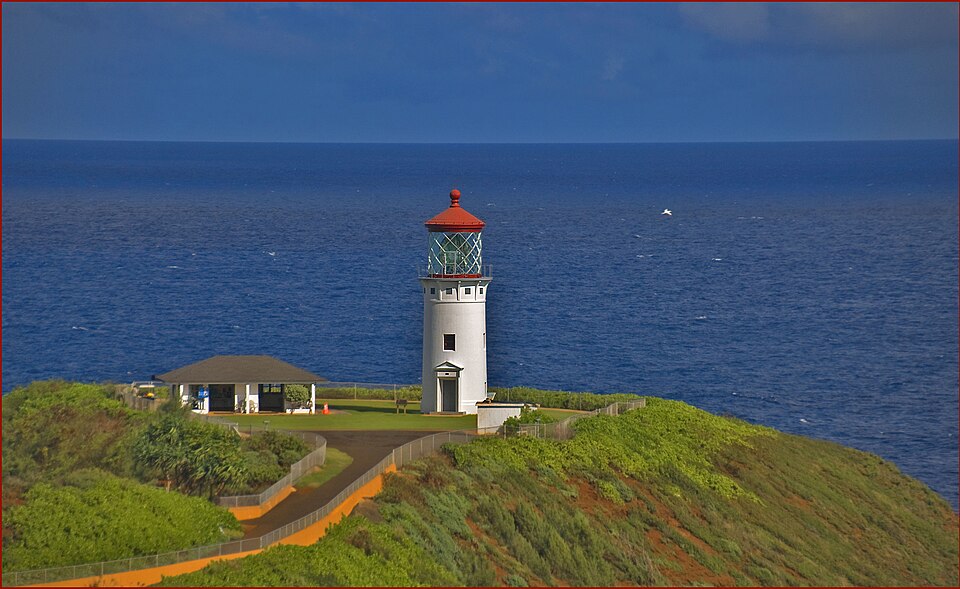
Bring binoculars for the seabirds around the headland. Stay on the visitor route and let the birds keep their distance.
Zaddy TipThe refuge lists Wednesday through Saturday opening, with holiday exceptions and advance entry arrangements. Check the reservation for your date.
Activities
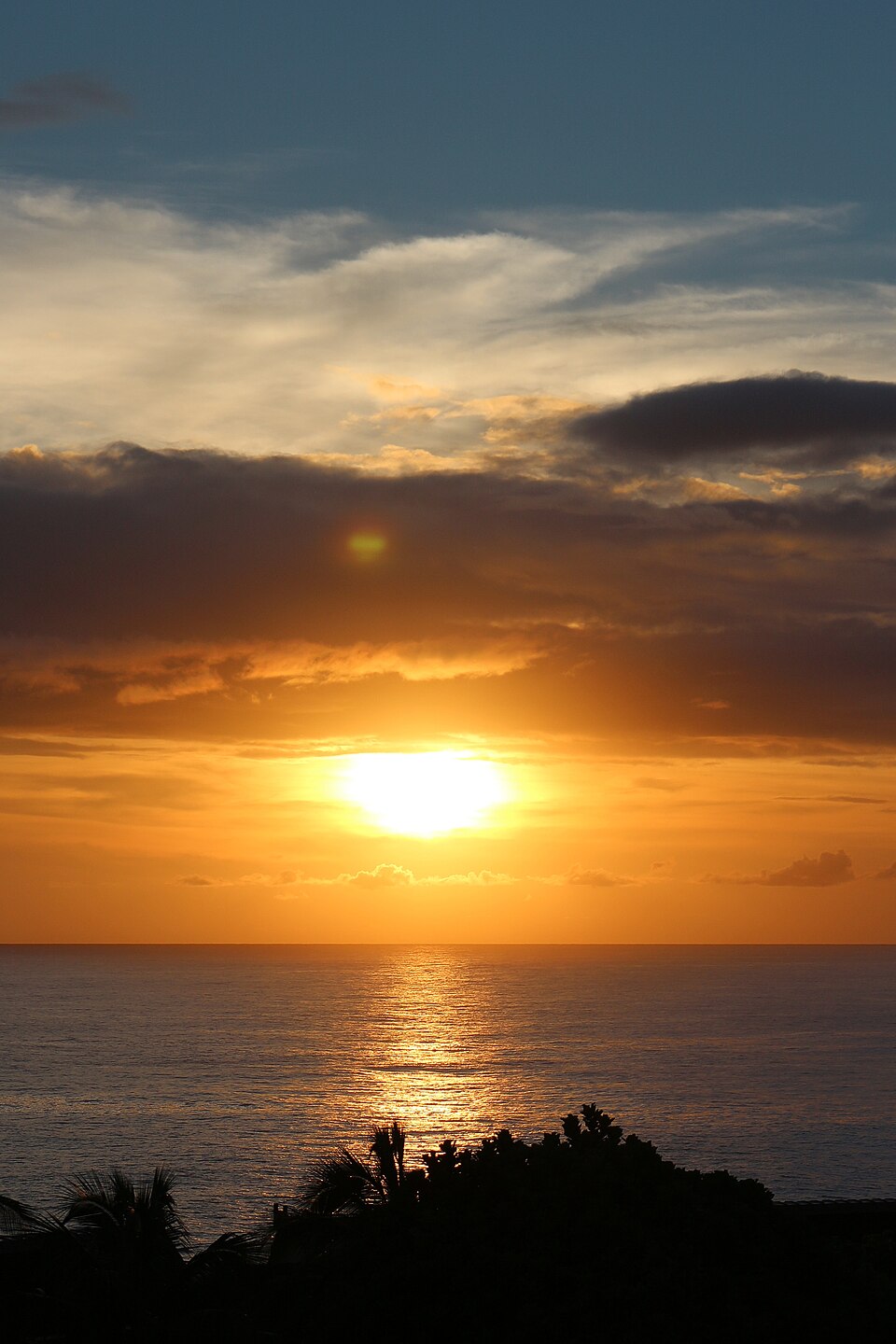
When trail footing, rain or the group’s energy rules out a hike, keep the day around Hanalei town. Walk only open public shore access, have a seated lunch and check the current lifeguard guidance. A shoreline walk still needs its own weather and surf decision.
Anara Spa
Poʻipū
A treatment at Anara gives a south-shore day a quiet center. Keep the north shore for another day.
Zaddy TipAsk the spa about availability for visiting clients and which amenities come with the treatment.
Kalalau routes, distances and permits
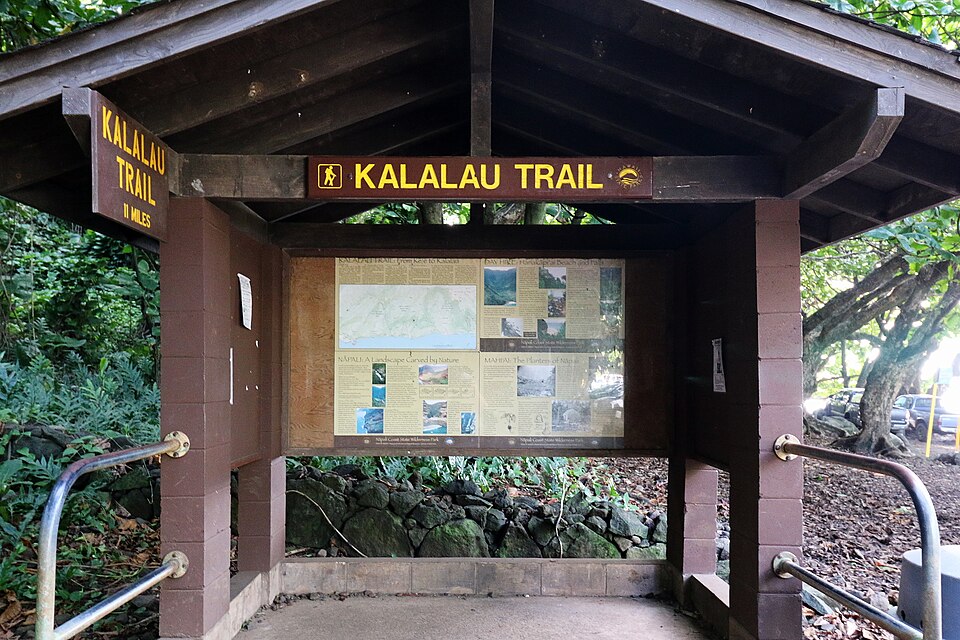
Start at the Kēʻē trailhead in Hāʻena State Park. The walk from parking or the shuttle to the trailhead is additional to every mileage below. For nonresident day visitors, Go Hāʻena sells shuttle plus entry, parking plus entry, and limited entry-only access for an eligible approach. Match the reservation to the people, vehicle and times in your party. Never count on roadside parking.
First coastal section. Kēʻē to Hanakāpīʻai Valley is about 2 miles each way, 4 miles round trip. Go Hāʻena suggests 3–4 hours for the beach route in suitable conditions. The first half mile already offers coastal views. Even a partial walk has steep, slippery sections. Turn back before the stream if there is any doubt about the crossing. Stay out of the water at Hanakāpīʻai Beach. Strong currents and breaking waves can pull people offshore.
Falls branch. At the valley, the route inland to Hanakāpīʻai Falls adds about 2 miles each way, for 8 miles total from Kēʻē and back. This is a rough, unmaintained route with repeated stream crossings, wet rock, roots and fallen trees. Allow a full day, roughly 6–8 hours in suitable conditions, plus access and shuttle time. State Parks recommends it for experienced hikers in good weather. Pick the coast walk or a non-hiking day if the group lacks that experience.
Full coastal route. Beyond Hanakāpīʻai Valley, the main trail continues west roughly 4 miles to Hanakoa, then 5 more to Kalalau Beach. That is 11 miles each way, 22 round trip. The coastal stretch beyond the valley requires a valid Kalalau overnight camping permit even if you intend to turn around the same day. A Hāʻena day reservation cannot authorize it. For most prepared backpackers the outward leg alone takes a full day. Hanakoa has no shore exit. The exposed section beyond it includes very narrow tread above a severe drop.
Book the Nāpali Coast State Wilderness Park Kalalau permit with State Parks. It provides Hāʻena entry during its validity. Arrange overnight parking separately after obtaining the permit, or use an authorized transfer. Day-use parking and shuttle arrangements do not automatically cover overnight stays. Read the camping conditions for permitted sites and nights.
Status at the November 6, 2026 review. DLNR reported that the Kalalau Trail reopened to permitted overnight use on November 2 after storm closures. A dated reopening describes that event only. Consult current DLNR park notices, Go Hāʻena conditions and on-site staff for the segment you intend to hike that day. A closure overrides a reservation.
Kalalau Trail from Kēʻē
Hāʻena State Park
Start with the first coastal climb only if staff and conditions allow. Terrain gets steep immediately. Seeing the coast from an early viewpoint can be the whole hike.
Zaddy TipRead the route choices and safety guidance before booking. Check the day’s flood and closure notices. Turn back before a hazardous crossing and stay out of the ocean at Hanakāpīʻai Beach.
Kalalau safety and when to turn back
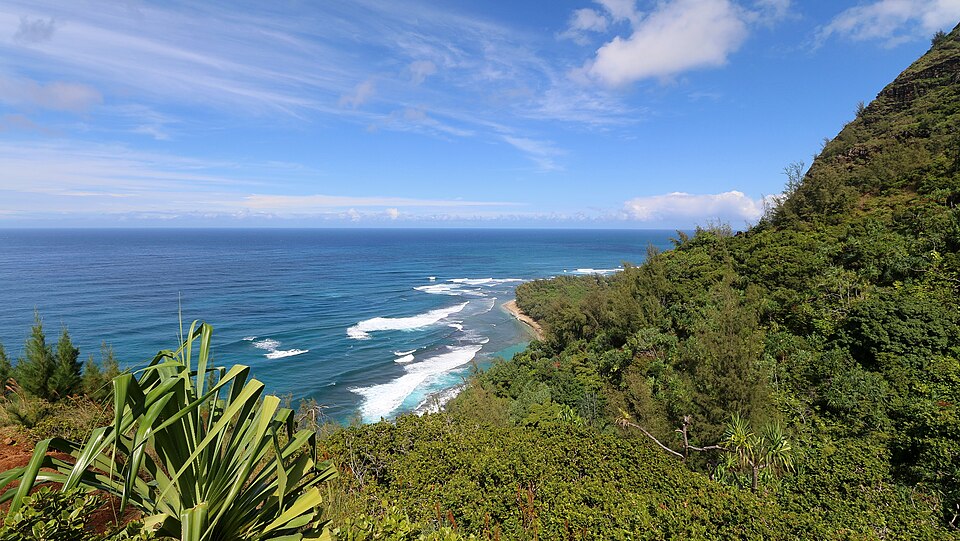
A permit authorizes the route only while the park is open. This guide cannot assess the trail, water level or your group’s ability on the day. Check the forecast and flash-flood alerts before setting out, then listen to park staff and obey barriers. Rain upstream can raise the stream while the sky at the crossing still looks clear.
Never cross a flooded, rising, rushing or muddy stream. Turn around while the way back is clear. If rising water cuts off your return, stay on the safe side, move away from the channel to safe higher ground and wait for conditions or official assistance. Do not try to beat the last shuttle. There is no dependable cellular coverage, and rescue can be delayed or impossible during flooding.
Wet cliff paths, loose rocks and narrow exposed ledges carry a fall risk with severe consequences. Turn back at the first section you cannot safely retrace. Stay on the trail, avoid cliff bases and keep away from the foot of waterfalls. Breaking surf and rip currents make Hanakāpīʻai an unsafe swimming stop. Seasonal sand can disappear entirely.
Share your route, turnaround time and overdue plan with someone ashore. Carry drinking water, extra food, rain protection, sun protection, a light, first-aid supplies and an offline map. For a full backpack, add suitable shelter, emergency communication and a reliable water-treatment method. Untreated streams are an unsafe drinking source. Set your turnaround by the least confident hiker, available daylight and the conditions you encounter.
If anyone is injured or stranded, stay clear of the immediate hazard and contact 911 when a connection is available. Give the last known trail segment, side of the stream and party size. Do not count on an immediate phone call or an aircraft pickup. Choose the Hanalei day instead if heavy rain, trail closure, exposed footing or group readiness makes the hike doubtful.
The county issued a high-surf advisory for parts of the north shore on November 5, 2026. Ocean and trail conditions require separate decisions. Check today’s lifeguard report independently of trail access.
- State Parks trail safety and emergency guidance (opens in a new tab)
- Go Hāʻena conditions, flash flooding and access (opens in a new tab)
- National Weather Service forecast for the north shore (opens in a new tab)
- Current Kauaʻi lifeguard conditions (opens in a new tab)
- November 5 north shore ocean advisory (opens in a new tab)
Nightlife
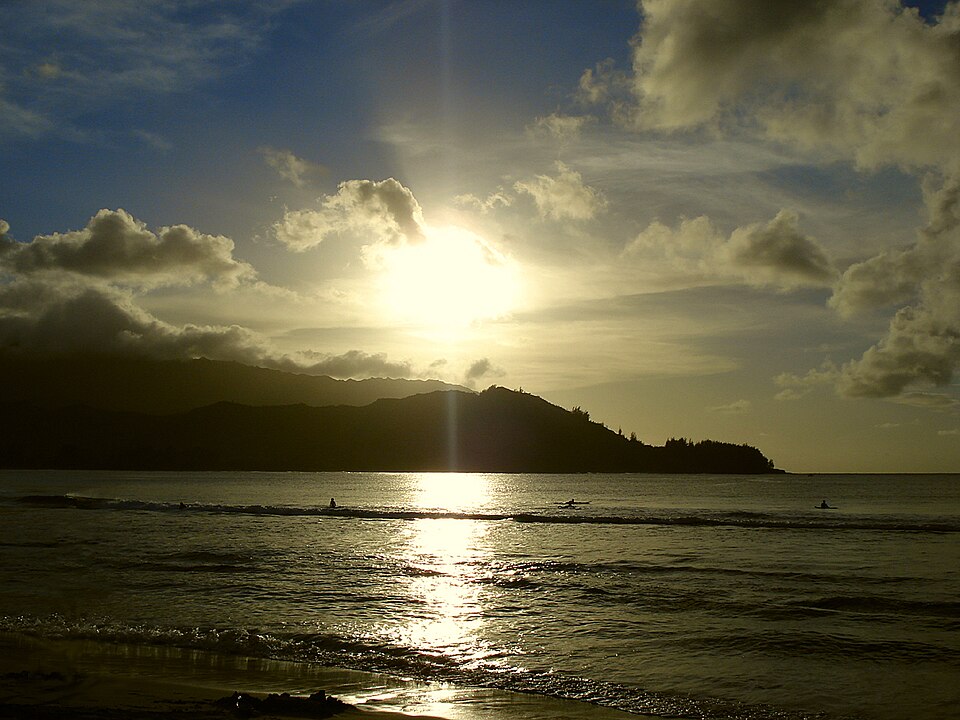
A relaxed evening on the same coast is a better finish than racing back south for a timed show.
Hanalei Bay
Hanalei
Choose a short walk in town and an early dinner after the north-shore outing. Light and tide can change the view without any need to enter the water.
Zaddy TipUse open public access, heed ocean warnings and keep driveways clear. Return along the north-shore road before you are overtired.
Tahiti Nui
Kūhiō Highway, Hanalei
An evening in this Hanalei room fits a north-shore stay especially well. Choose it when dinner and music matter equally.
Zaddy TipConfirm the program and table arrangements, and plan a sober return along the north-shore road.
Where to stay
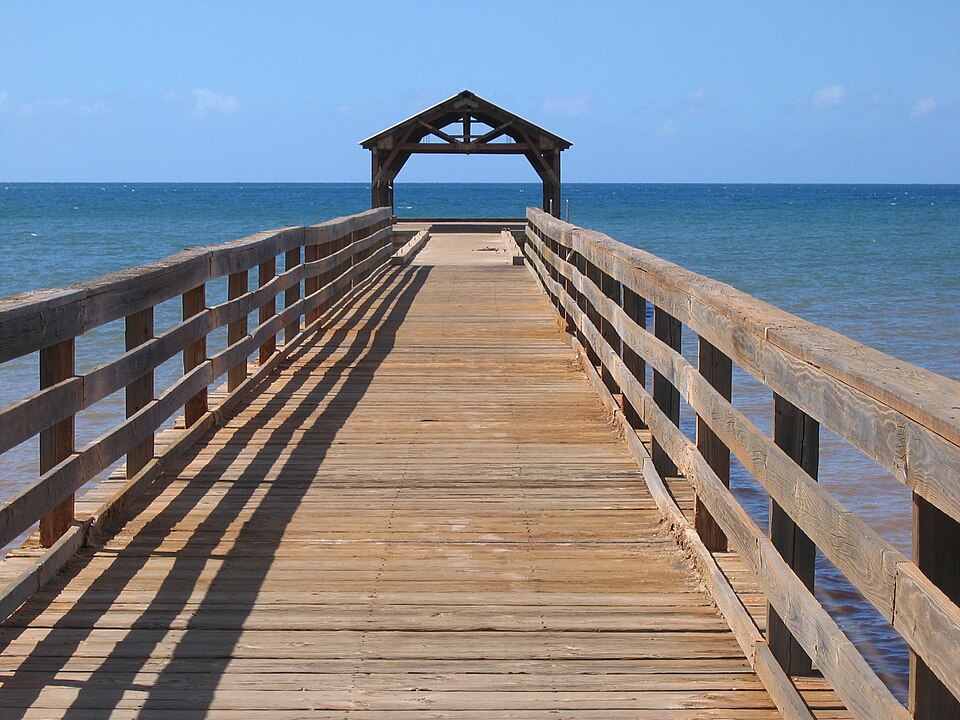
Compare how often you will drive the north-shore road with the price of staying closer.
Kauaʻi Shores Hotel
Kapaʻa
A practical base for an arrival day near the airport and subsequent drives north. Keep the trail day separate from flights.
Zaddy TipCheck total daily charges and parking arrangements when comparing rates.
Hanalei Colony Resort
Hāʻena
Choose this address for time on the north shore and quiet evenings near your room. A longer stay suits its distance from town.
Zaddy TipSave arrival directions offline and check current road access before leaving Hanalei.
Getting around
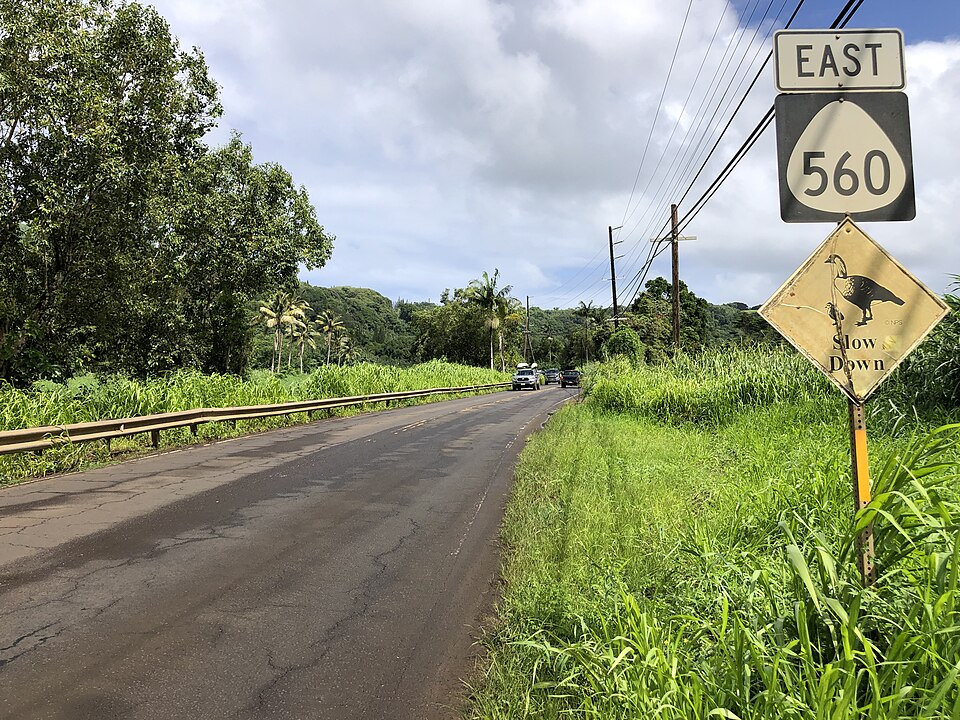
Confirm your rental or airport transfer and allow extra time for the road north. Hāʻena’s visitor and parking arrangements are separate from ordinary airport transportation. Download tickets, maps and directions before the cellular signal fades.
FAQs
Does Hāʻena day entry include Kalalau Beach?
No. Day access can cover the first coastal section and the inland falls branch when open. Continuing west beyond Hanakāpīʻai Valley requires the specific overnight camping permit.
Can I use the itinerary for the full trail?
No. Plan the full coastal route as a separate, permitted wilderness backpack with equipment, contingency time and a safe exit plan.
Researched and edited by Zaddy Travels. The linked sources inform our selections and planning advice. Hotel and dining recommendations are based on published information.
Related destinations


Anara Spa
Anara Spa is in Poʻipū on the south shore. Choose the treatment and confirm facility access before committing a morning to the resort.
Hanalei Taro & Juice Co.
Hanalei Taro & Juice Co. gives a north-shore lunch a connection to kalo, the crop cultivated in the valley. Check the serving location and hours before the drive.
Kauaʻi Shores Hotel
Kauaʻi Shores Hotel is on the east coast, useful for dividing a trip between the north and south shores. Ask which room placement fits a quiet stay.
Day 1
A south-shore spa afternoon
Kīlauea → Kōloa → Poʻipū
Kīlauea and Poʻipū are on different coasts. Reserve the refuge visit first, allow a substantial drive south and finish there instead of trying to cross the island twice around dinner.
- Morning
Make the refuge visit the morning appointment and allow the cross-island drive.
Expand +Collapse − morning suggestions
Kīlauea Bakery & Pizzeria
Choose a pastry at the bakery in Kong Lung Village before the refuge opens. Its town location keeps breakfast away from the narrow lighthouse access road.
Kīlauea Point National Wildlife Refuge
Bring binoculars for the seabirds around the headland. Stay on the visitor route and let the birds keep their distance.
Anini Beach Park
If the refuge is closed, choose a short shore visit at the public park. Observe ocean advisories and avoid entering around strong outside currents.
- Afternoon
Drive south for a reserved spa treatment and a Kōloa lunch.
Expand +Collapse − afternoon suggestions
Anara Spa
A treatment at Anara gives a south-shore day a quiet center. Keep the north shore for another day.
Koloa Fish Market
Order a poke bowl or a Hawaiian plate from the Kōloa counter. Ask which fish and sides are available before deciding.
Kōloa Heritage Trail
Choose one or two signed stops around old Kōloa town for the district’s sugar and plantation history. The whole trail is longer than a single walk.
- Evening
Reserve dinner near Poʻipū rather than crossing the island again.
Expand +Collapse − evening suggestions
Eating House 1849, Kōloa
Choose a fish dish or the restaurant’s interpretation of a plantation-era rice dish at the Kōloa branch. A seated dinner suits the end of the long island drive.
Keoki’s Paradise
Ask which Hawaiian fish is being grilled at the Poʻipū restaurant. Check its music calendar if a band is part of the evening plan.
Poʻipū Beach Park
Watch sunset from the public park, keeping the recommended distance from turtles and seals hauled out on the sand. Follow the lifeguards’ ocean guidance.
Day 2
A slow Hanalei morning
Hanalei → Hāʻena
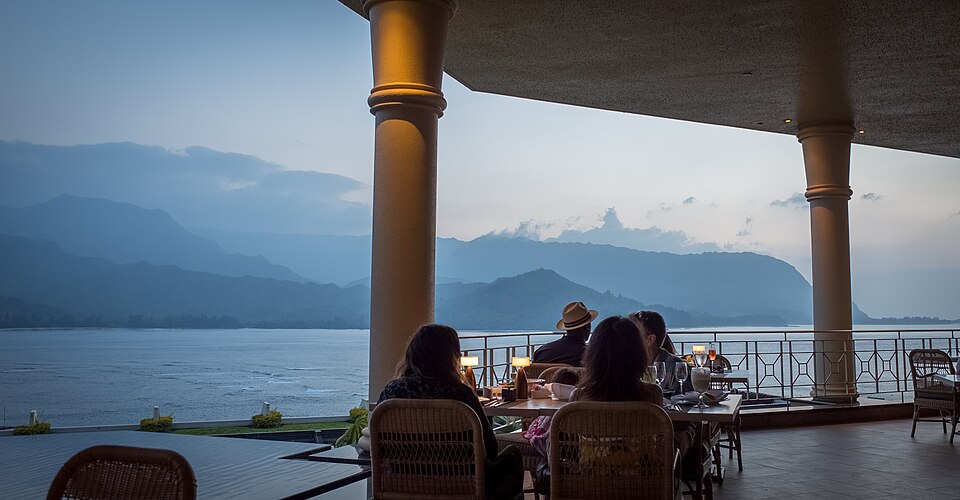
Hanalei is the service town before the narrow north-shore road to Hāʻena. Trail access, safe stream conditions and the last shuttle matter more than fitting another stop around a hike.
- Morning
Have breakfast in Hanalei before the beach.
Expand +Collapse − morning suggestions
Hanalei Bread Company
Order coffee and a breakfast sandwich at the Hanalei bakery before heading west. The outdoor tables suit an early start.
Hanalei Bay
Watch the mountains from the public beach access at Black Pot or Waiʻoli. Check lifeguard conditions and keep clear of the shore break.
Kalalau Trail from Kēʻē
Reserve Hāʻena entry and choose a turnaround on the permitted day-use route. Check the park’s current closure notice, rain and stream conditions before starting. Turn back if crossings are unsafe.
- Afternoon
Choose the taro lunch and a guided garden visit.
Expand +Collapse − afternoon suggestions
Hanalei Taro & Juice Co.
Try poi or a taro-based dish from the family’s food truck. This is a good chance to taste kalo in more than one preparation.
Limahuli Garden & Preserve
Reserve a garden visit for the terraces, native plants and cultural landscape. This is a separate entry from Hāʻena State Park.
Hanalei Dolphin
Order fish from the restaurant or fish market near the river. Ask for the local catch before choosing between a plate and takeaway poke.
- Evening
Reserve a small-plates supper and enjoy an early finish.
Expand +Collapse − evening suggestions
Bar Acuda
Reserve the Hanalei small-plates restaurant and share the local honeycomb with goat cheese when offered. Add fish or a vegetable dish from the current menu.
Tahiti Nui
An evening in this Hanalei room fits a north-shore stay especially well. Choose it when dinner and music matter equally.
Wishing Well Shave Ice
Order shave ice from the Hanalei stand before it closes. Ask about the house fruit syrups, a welcome finish after a north-shore walk.
Day 3
A river garden and an east-side lunch
Kapaʻa → Wailua → Līhuʻe
The east shore works from Kapaʻa as a base. Follow the coastal path or choose the river and gardens at Wailua, with a short drive to Līhuʻe for island history or a performance.
- Morning
Have breakfast in Kapaʻa and choose a short stretch of coast.
Expand +Collapse − morning suggestions
Java Kai, Kapaʻa
Pick up a coffee and breakfast sandwich at the Kapaʻa shop. Use the town location for a start close to the coastal path.
Kapaʻa coastal path
Follow the paved Ke Ala Hele Makālae out of town toward the north. Pick a turnaround that leaves time for lunch and share the path with cyclists.
ʻŌpaekaʻa Falls overlook
Use the signed roadside lookout for the waterfall view across the valley. Remain at the overlook rather than seeking informal cliff paths.
- Afternoon
Choose the river garden or a local-history museum.
Expand +Collapse − afternoon suggestions
Fern Grotto, Wailua River
Book the operated Wailua boat outing for the fern-covered grotto. It is a seated river journey with a short walk, distinct from paddling a kayak upstream.
Kauaʻi Museum
Visit the Līhuʻe museum for island history, Hawaiian craftsmanship and plantation-era stories. Check opening days before driving south.
Wailua River State Park
Book a permitted operator if you want to go on the water. Choose a trip length that allows the return journey before dusk.
- Evening
Have an early supper facing the ocean.
Expand +Collapse − evening suggestions
JO2 Natural Cuisine
Reserve the Kapaʻa restaurant for a fish dish and seasonal produce. Let the day’s catch guide a shared main.
Hukilau Lanai
Book a table near Wailua for fish or a tasting menu when offered. Live music varies with the restaurant’s calendar.
Smith Family Garden Luau
Reserve the Wailua evening program and dinner on an actual performance date. Allow for the check-in before the show.
Confirm an Anara appointment and nonresident inclusions. Plan north-shore road conditions separately from your south-shore day.
Anara Spa
Anara Spa is on the Poʻipū side of the island. Confirm treatment and nonresident access before planning a south-shore afternoon.
Hanalei Taro & Juice Co.
Hanalei Taro & Juice Co. is a north-shore food stop. Check service and road conditions on the day you go to Hanalei rather than crossing the island for lunch after the spa.
Tahiti Nui
Tahiti Nui gives a Hanalei evening a restaurant and music in the same place. Check the lineup and reserve with the group size in mind.
Hanalei Bay
Hanalei Bay is a natural setting for the first part of the evening. Meet at a named shore access while there is still daylight.
Hanalei Taro & Juice Co.
Hanalei Taro & Juice Co. makes a daytime gathering possible around locally grown kalo. Check the current service window before the evening’s plans take over.
Day 1
A Hanalei music night
Hanalei → Hāʻena
Hanalei is the service town before the narrow north-shore road to Hāʻena. Trail access, safe stream conditions and the last shuttle matter more than fitting another stop around a hike.
- Morning
Meet in town for coffee and a late start.
Expand +Collapse − morning suggestions
Hanalei Bread Company
Order coffee and a breakfast sandwich at the Hanalei bakery before heading west. The outdoor tables suit an early start.
Hanalei Bay
Watch the mountains from the public beach access at Black Pot or Waiʻoli. Check lifeguard conditions and keep clear of the shore break.
Waiʻoli Huiʻia Church
See the green mission church against the mountain backdrop from the public street. Services take precedence over visits.
- Afternoon
Keep food and the afternoon in Hanalei rather than chasing the whole coast.
Expand +Collapse − afternoon suggestions
Hanalei Taro & Juice Co.
Try poi or a taro-based dish from the family’s food truck. This is a good chance to taste kalo in more than one preparation.
Hanalei Dolphin
Order fish from the restaurant or fish market near the river. Ask for the local catch before choosing between a plate and takeaway poke.
Hanalei National Wildlife Refuge Viewpoint
Use a designated public viewpoint for the taro fields and wetland. Keep out of farms and refuge areas closed to visitors.
- Evening
Check the music or lūʻau calendar before making the drive.
Expand +Collapse − evening suggestions
Opakapaka Grill and Bar
Reserve the north-shore restaurant at Hanalei Colony Resort when operating. Choose fresh catch and a confirmed live-music evening rather than assuming a nightly show.
Tahiti Nui
An evening in this Hanalei room fits a north-shore stay especially well. Choose it when dinner and music matter equally.
AMA Restaurant, Hanalei
Choose noodles at the Hanalei restaurant for a warm supper after the beach. The mountain-facing deck gives the meal a view even without going back to the water.
Day 2
A Kapaʻa evening
Kapaʻa → Wailua → Līhuʻe
The east shore works from Kapaʻa as a base. Follow the coastal path or choose the river and gardens at Wailua, with a short drive to Līhuʻe for island history or a performance.
- Morning
Meet at a named coffee counter before leaving town.
Expand +Collapse − morning suggestions
Java Kai, Kapaʻa
Pick up a coffee and breakfast sandwich at the Kapaʻa shop. Use the town location for a start close to the coastal path.
Kapaʻa coastal path
Follow the paved Ke Ala Hele Makālae out of town toward the north. Pick a turnaround that leaves time for lunch and share the path with cyclists.
Lydgate Beach Park
Walk the public picnic area near the Wailua River mouth. Check lifeguard advice even around the protected swimming ponds.
- Afternoon
Take an east-side lunch before a booked river outing.
Expand +Collapse − afternoon suggestions
Smith’s Tropical Paradise
Visit the garden in Wailua for its planted paths and lagoons. The garden entrance and the evening lūʻau are separate arrangements.
Pono Market, Kapaʻa
Order a lunch plate with poke or lau lau from the preparations available that day. This is a daytime stop with a local following.
Wailua River State Park
Book a permitted operator if you want to go on the water. Choose a trip length that allows the return journey before dusk.
- Evening
Choose a live show or a town restaurant rather than driving between coasts.
Expand +Collapse − evening suggestions
Hukilau Lanai
Book a table near Wailua for fish or a tasting menu when offered. Live music varies with the restaurant’s calendar.
Smith Family Garden Luau
Reserve the Wailua evening program and dinner on an actual performance date. Allow for the check-in before the show.
Kapaʻa town
Browse the shopfronts and dessert counters before closing time. The historic town center is a different experience from the seaside path.
Day 3
A Poʻipū table after the coast drive
Kīlauea → Kōloa → Poʻipū
Kīlauea and Poʻipū are on different coasts. Reserve the refuge visit first, allow a substantial drive south and finish there instead of trying to cross the island twice around dinner.
- Morning
Meet for a bakery breakfast in Kīlauea before heading south.
Expand +Collapse − morning suggestions
Kīlauea Bakery & Pizzeria
Choose a pastry at the bakery in Kong Lung Village before the refuge opens. Its town location keeps breakfast away from the narrow lighthouse access road.
Kīlauea Point National Wildlife Refuge
Bring binoculars for the seabirds around the headland. Stay on the visitor route and let the birds keep their distance.
Kong Lung Historic Market Center
Browse the shops in Kīlauea’s former plantation town center. The old stone buildings give the village a different history from the resort coast.
- Afternoon
Choose a local fish plate and leave time for the resort show.
Expand +Collapse − afternoon suggestions
Koloa Fish Market
Order a poke bowl or a Hawaiian plate from the Kōloa counter. Ask which fish and sides are available before deciding.
Kōloa Heritage Trail
Choose one or two signed stops around old Kōloa town for the district’s sugar and plantation history. The whole trail is longer than a single walk.
Māhāʻulepū Heritage Trail
Take a short out-and-back on the signed coastal trail from Shipwreck Beach if conditions allow. Stay away from cliff edges and respect any landowner closures.
- Evening
Pick a south-shore sunset sitting or a performance.
Expand +Collapse − evening suggestions
Eating House 1849, Kōloa
Choose a fish dish or the restaurant’s interpretation of a plantation-era rice dish at the Kōloa branch. A seated dinner suits the end of the long island drive.
Keoki’s Paradise
Ask which Hawaiian fish is being grilled at the Poʻipū restaurant. Check its music calendar if a band is part of the evening plan.
Grand Hyatt Kauaʻi Lūʻau
Book the resort’s published performance and dinner on its operating dates. Confirm access and check-in time for non-guests.
Confirm Tahiti Nui’s music and table arrangements. Stay nearby or arrange a sober ride before making a north-shore evening plan.
Tahiti Nui
Tahiti Nui is a music and dining address in Hanalei. Confirm the performance and table arrangements, then plan a nearby stay or a sober ride home.
Hanalei Bay
Hanalei Bay gives friends a shoreline meeting place before dinner. Choose a beach access point together and consult conditions before going near the surf.